Secure Your Rental Income
Begin your journey with a free property valuation, and benefit from our guaranteed rent or property management service.

Whitechapel in East London is a location with a long-standing architectural legacy. Its buildings show the changes in London’s housing and offer a range of choices for those looking to buy or rent.
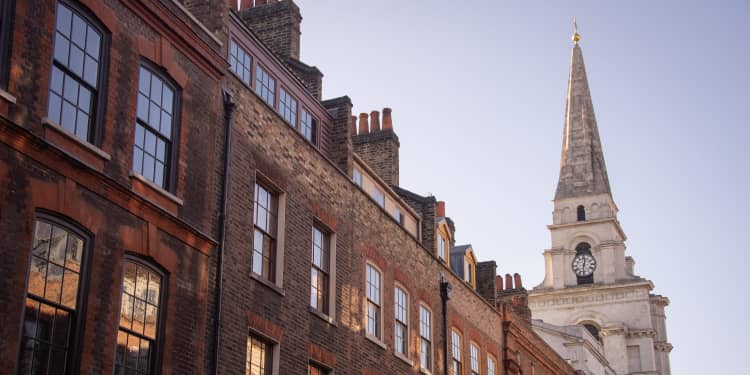
This guide covers the area’s main property types, details of period and modern architecture, local conservation areas, and what makes certain streets stand out. It draws on property market data and official sources to help you understand what Whitechapel offers today.
Whitechapel’s architecture tells the story of its growth from a 17th-century hamlet to a key part of modern London. Its streets are lined with Georgian terraces, Victorian mansion blocks, Edwardian cottages, and a wave of new-build flats. This variety has made Whitechapel one of the most sought-after areas for first-time buyers and investors.
One of the most recognisable architectural features in Whitechapel is the varied rooflines and facades that mark different periods. Georgian homes typically have flat brick fronts with tall sash windows, while Victorian properties show more ornate brickwork and larger bay windows. Many former warehouses and factories have been turned into lofts and apartments, keeping industrial features like exposed brick and large windows.
Whitechapel is also known for its public buildings. The Whitechapel Gallery, built in 1901, is a Grade II listed building, an example of Edwardian Baroque style with its stone dressings and arched windows. The Royal London Hospital, which dominates Whitechapel Road, adds to the area’s architectural interest with its original 18th-century façade and modern redevelopment.
Properties in Whitechapel largely fall under several main types, each appealing to a different kind of buyer or tenant:
According to Rightmove, the average price for a flat in Whitechapel was £508K, while terraced houses averaged £1M. Rental demand remains high due to the area’s transport links and proximity to the City.
Whitechapel is home to several conservation areas, where strict planning controls protect the character of local streets. Key conservation areas in Whitechapel include:
In addition, several buildings are ‘listed’ for their national importance. Examples include the Whitechapel Gallery and the former Albion Brewery. Owning a home in these areas often means there are extra restrictions on alterations, protecting original features.
Certain streets in Whitechapel have built a reputation for period homes and high-value properties. Below are some notable examples:
The Crossrail (Elizabeth Line) station at Whitechapel has also increased demand for homes within walking distance.
In recent years, Whitechapel has seen major redevelopment, especially along Whitechapel Road and near Aldgate East. Modern apartment blocks now make up a growing share of local homes, offering amenities such as gyms, roof terraces, and concierge services.
Major new build schemes include:
Period homes in Whitechapel display a range of architectural features:
Many former warehouses and factories have been converted, keeping industrial elements such as exposed brick, cast-iron columns, and large steel-framed windows. These features attract those looking for character and originality in urban homes.
Want to find out more? Discover the best streets in Whitechapel and learn more about Whitechapel living to help plan your next step.
Whitechapel’s housing stock varies from compact studios to spacious family houses. Here are the approximate sizes you can expect for different house types in the area…
| Property Type | Average Size (sq ft) | Bedrooms |
|---|---|---|
| Studio/1-bed flat | 350–550 | 1 |
| 2-bed flat | 550–800 | 2 |
| 3-bed flat/house | 800–1,300 | 3 |
| 4+ bed house | 1,300+ | 4+ |
Many modern flats are open-plan, making the most of limited space. Older houses often offer larger rooms and higher ceilings, though layouts may be less open than in new builds.
Outdoor space in Whitechapel is limited by high density, but some properties do offer private or communal areas. Victorian and Edwardian houses may have small back gardens or paved yards, while mansion blocks often include shared courtyards or gardens.
Key points to consider:
Nearby parks such as Altab Ali Park and Whitechapel Gardens offer additional green space for exercise and leisure.
As of now, Rightmove reports an average house price of £557K, with flats averaging £508K, and terraced houses for over £1M.
Many new developments offer shared ownership flats or flexible financing arrangements, though the old Help to Buy scheme has now ended. Eligibility criteria and scheme details can be found on Gov.uk.
Renting remains popular due to the area’s proximity to the City. According to ONS data, the average monthly rent is £2,382 across the broader borough of Tower Hamlets.
Several areas fall under conservation rules, and listed homes require consent for most changes. Always check with Tower Hamlets Council before starting work.
Service charges for new builds may range from about £2.50 to £5.00 per sq ft per year, depending on the amenities provided.
Whitechapel offers a wide range of period homes, new builds, and mansion flats to suit buyers and tenants with different needs. Whether you want character features or modern convenience, the area’s streets and developments offer plenty of options.
If you need personalised rental or lettings services for Whitechapel property, contact Wextons Letting Agents for a premium service.
Begin your journey with a free property valuation, and benefit from our guaranteed rent or property management service.
Contact us, and we will be more than happy to help you.

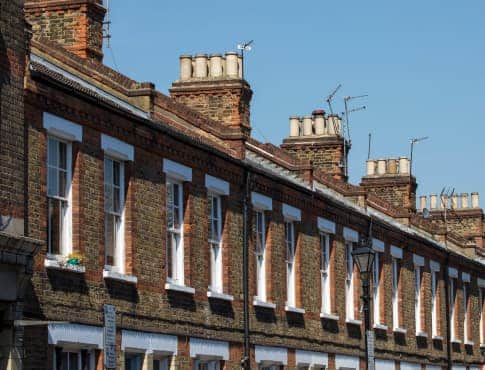
Bethnal Green isn't one neighbourhood - it's several, each with its own character, rent level, and tenant profile. Two streets a five-min...
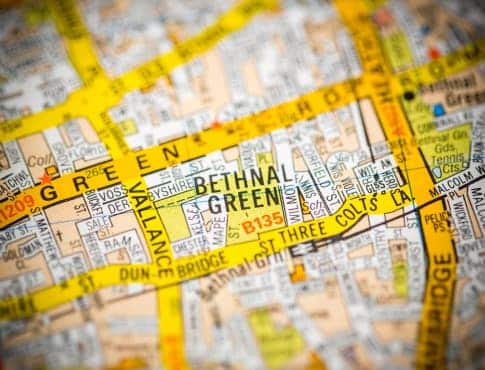
Thinking of renting or investing in Bethnal Green? This East End neighbourhood punches well above its weight, offering Central line acces...
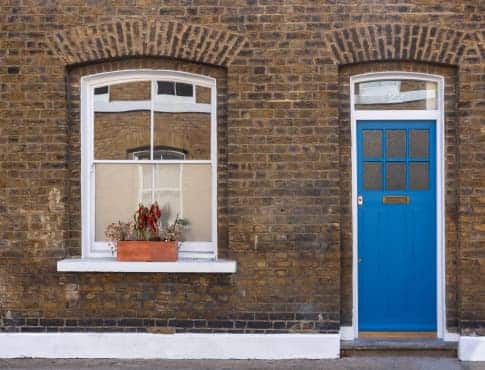
Bethnal Green is one of East London's most architecturally diverse neighbourhoods, and that diversity creates a letting market unlike alm...

"*" indicates required fields
"*" indicates required fields